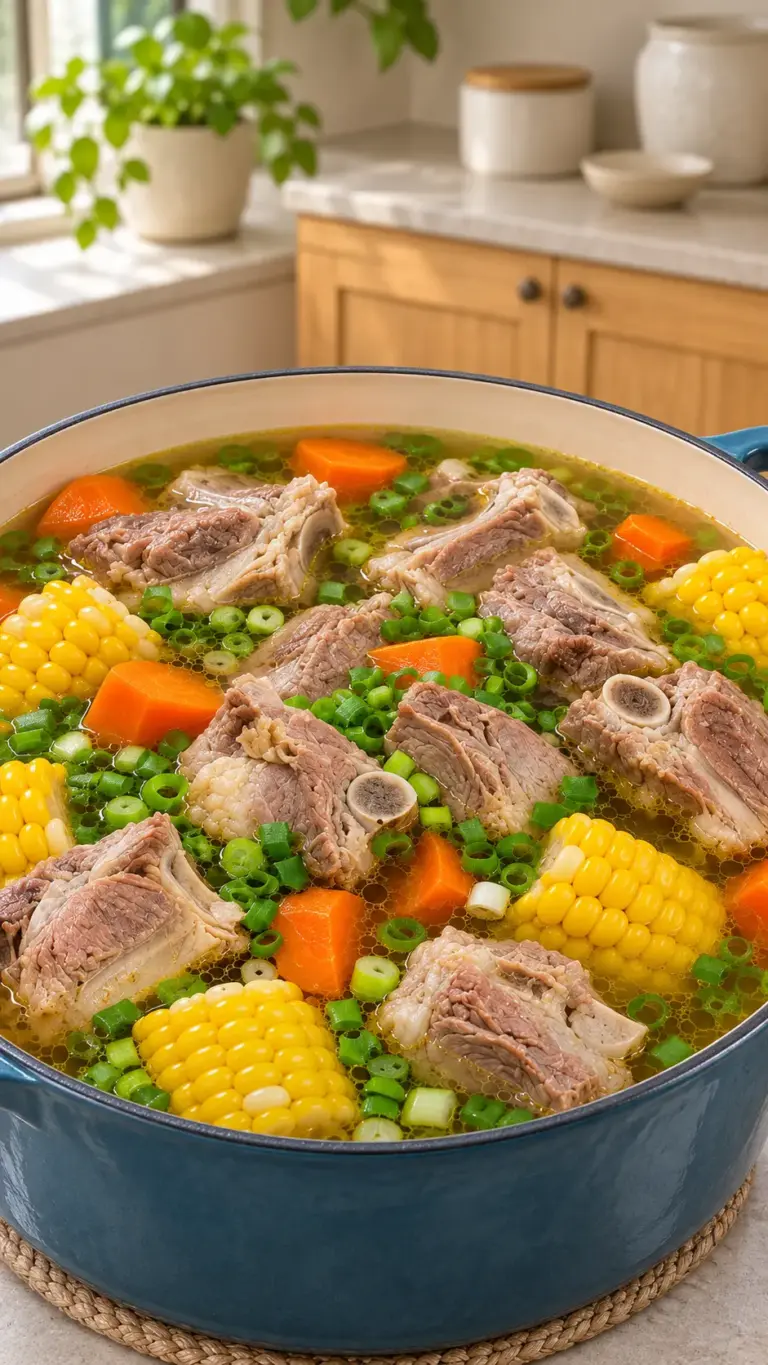
Hearty Hamburger Vegetable Soup

Every single weeknight in American households, the timeless question of what to cook for a busy family dinner echoes through hallways and kitchens alike. We all crave something deeply comforting, nourishing, and satisfying after a long day, yet the demands of modern schedules often push us toward rushed or uninspiring meals. Fortunately, the Hearty Hamburger Vegetable Soup Recipe emerges as the ultimate culinary solution, bridging the gap between effortless weeknight cooking and soul-satisfying homestyle flavor.
As home cooks, we constantly search for a healthy alternative to heavy fast-food dinners that still delivers the rich, savory satisfaction our families eagerly anticipate at the end of the day. This magnificent soup combines savory ground beef with an abundance of vibrant garden vegetables, all swimming in a rich, perfectly seasoned tomato broth that warms you from the inside out. It represents the very best of American comfort food tradition, requiring simple pantry staples while offering incredible depth and wholesome nourishment in every single spoonful.
Whether you are cooking for hungry children after sports practice or simply seeking a reliable, comforting dish to anchor your weekly meal rotation, this recipe never fails to impress and satisfy. Let us dive deep into the rich traditions, scientific principles, and expert kitchen techniques that will transform these humble ingredients into an extraordinary culinary masterpiece in your very own kitchen. Grab your favorite heavy-bottomed soup pot, and let us embark on a delicious journey of home-cooked perfection.
Discover more delicious recipes and everyday cooking tips at MindaPos!
The history and tradition behind Hearty Hamburger Vegetable Soup Recipe
The culinary roots of the Hearty Hamburger Vegetable Soup Recipe trace back to the resourcefulness of American home cooks during the mid-twentieth century, a time when stretching household budgets while maintaining family nutrition was an everyday art form. Families across the American heartland relied on affordable cuts of ground beef combined with whatever root vegetables and garden harvests were readily available in their root cellars or local markets. This resourceful approach birthed a magnificent tradition of one-pot comfort meals designed to feed a crowd without requiring expensive ingredients or hours of complicated culinary labor.
As generations passed, this beloved soup evolved from a humble peasant-style supper into a cherished national classic that graces dinner tables from coast to coast. The beauty of the dish lies in its remarkable adaptability, as home cooks across different regions began incorporating local produce and regional seasoning preferences into the base. Midwestern cooks might emphasize hearty root vegetables like potatoes and carrots, while southern variations sometimes introduce okra or a touch of spicy heat through canned diced tomatoes with green chilies. Despite these delightful regional variations, the core essence of the dish—a rich, savory tomato-beef broth packed with tender vegetables and savory beef—remained entirely unchanged.
In modern American family kitchens, the Hearty Hamburger Vegetable Soup Recipe holds a special place of honor as the ultimate antidote to chilly autumn evenings, hectic weeknight schedules, and the universal desire for wholesome, scratch-made cooking. It reminds us of simpler times when dinner was a gathering event centered around a steaming pot simmering slowly on the stove, filling the entire home with irresistible aromas. Passing down this recipe through generations ensures that the comforting traditions of American home-cooking remain vibrantly alive and relevant for modern families.
The enduring popularity of this soup also reflects a growing cultural appreciation for practical, wholesome meals that prioritize real, whole foods over processed convenience products. By combining sustainably sourced ingredients and fresh produce, modern home cooks elevate this traditional favorite into a gourmet quality experience that feels both nostalgic and refreshingly contemporary. It stands as a testament to the fact that truly great food does not require complex techniques or exorbitant budgets, but rather a thoughtful combination of honest ingredients cooked with care and patience.
Why you will love Hearty Hamburger Vegetable Soup Recipe
- Incredibly Comforting Flavor: The combination of savory browned ground beef, aromatic vegetables, and a rich tomato broth delivers deep, satisfying flavors that instantly soothe the soul and warm the body.
- Budget-Friendly Ingredients: Utilizing economical cuts of ground beef alongside pantry staples and affordable vegetables makes this recipe exceptionally gentle on your weekly grocery budget.
- Quick Preparation: Requiring only forty-five minutes from start to finish, this one-pot meal fits effortlessly into even the most demanding weeknight schedules without sacrificing flavor.
- Nutrient-Dense Wholesomeness: Packed with a colorful variety of carrots, potatoes, green beans, peas, and corn, it offers a well-rounded balance of vitamins, minerals, and dietary fiber.
- Remarkably Versatile: The recipe welcomes endless customization, allowing you to easily substitute vegetables based on seasonal availability or personal dietary preferences.
- One-Pot Convenience: Cooking everything in a single soup pot streamlines the entire cooking process and ensures that cleanup after dinner is wonderfully fast and minimal.
- Freezer-Friendly Nature: This soup freezes exceptionally well, making it a fantastic candidate for meal prepping and stocking your freezer with homemade convenience meals for busy nights.
The kitchen secrets behind perfect flavor and texture
Achieving a truly exceptional depth of flavor in the Hearty Hamburger Vegetable Soup Recipe requires an understanding of fundamental culinary science, starting with proper heat control during the initial browning phase. When you cook the ground beef and diced onions together over medium heat, you initiate the Maillard reaction, a complex chemical process where amino acids and reducing sugars create complex savory aromas and a beautiful golden-brown crust. Allowing the beef to develop small caramelized bits at the bottom of the pot creates the essential flavor foundation that will eventually dissolve into the broth, enriching the entire soup with umami depth.
The sequential addition of vegetables is another critical kitchen secret that prevents your ingredients from turning into a homogenous, overcooked mush. Root vegetables like potatoes, carrots, and celery require a longer cooking time to soften fully and absorb the surrounding flavors, which is why they are introduced early in the simmering process alongside the broth and diced tomatoes. In contrast, delicate vegetables like green beans, frozen corn, and sweet peas possess high water content and tender structures that cook rapidly, making them ideal candidates for the final ten to fifteen minutes of simmering to preserve their vibrant color and slight crunch.
Building layers of flavor through the strategic use of aromatics and seasonings elevates this humble soup from ordinary to extraordinary. Blooming the tomato paste directly in the pot with the garlic, celery, and carrots for a brief minute before adding the liquids helps to caramelize the natural sugars in the tomato paste, eliminating its raw edge and imparting a rich, concentrated sweetness. Furthermore, simmering the soup gently rather than boiling it furiously allows the starches from the potatoes to slightly thicken the broth naturally while preventing the delicate vegetables from breaking apart and muddying the visual appeal of the dish.
Finally, allowing the completed soup to rest off the heat for a few minutes before serving is a crucial step that allows the internal temperatures to stabilize and the complex flavors to fully marry and harmonize. During this brief resting period, the salt penetrates deeply into the meat and vegetables, while the aromatic herbs infuse every drop of the tomato-beef broth with their fragrant essential oils. This attention to detail guarantees that every single bowl served at your family dinner delivers a harmonious balance of taste, aroma, and mouthfeel.
How to choose the best ingredients for gourmet results
Sourcing exceptional ingredients is the single most important step in elevating a traditional home-cooked meal into a gourmet quality dining experience that your family will rave about. When shopping at local supermarkets, farmers markets, or popular grocery destinations like Kroger and Walmart, always prioritize vibrant color, firmness, and natural aromas when selecting your produce. Fresh ingredients form the absolute backbone of this soup, meaning that taking a few extra moments to inspect your vegetables will pay massive dividends in the final flavor profile.
Begin by selecting your aromatics and root vegetables, paying special attention to the onions, garlic, carrots, and potatoes to ensure they are completely free of soft spots, blemishes, or sprouting. Look for firm, heavy-for-their-size yellow onions with papery dry skins, smooth carrots with a bright orange hue, and sturdy potatoes like Russets or Yukon Golds that feel dense and unyielding in your hand. Incorporating local produce whenever it is in season introduces an unmatched vibrancy and sweetness that mass-produced alternatives simply cannot replicate.
When selecting the ground beef, opt for a lean grind, such as an 85/15 or 90/10 ratio, to strike the perfect balance between rich flavor and manageable fat content in your soup pot. High-quality meat ensures that your soup remains savory and satisfying without becoming overly greasy, reducing the need to excessively drain and lose valuable flavor compounds. Whenever possible, seek out sustainably sourced ingredients for your meat and pantry items, supporting ethical producers while ensuring the highest possible standard of purity and taste for your family.
Do not overlook the canned goods and pantry staples, as high-quality canned diced tomatoes and rich beef broth serve as the foundational canvas upon which all other flavors are painted. Choose canned tomatoes that feature bright, clean acidity and rich tomato flavor without artificial additives or excessive sodium, allowing you to control the seasoning profile of your soup precisely. By investing care into every single component before it ever touches the heat, you guarantee a final dish that radiates freshness, balance, and culinary excellence.
Ingredient variations and dietary adaptations
Adapting the Hearty Hamburger Vegetable Soup Recipe to accommodate various dietary restrictions or personal preferences is surprisingly effortless, starting with a wonderful plant-based fasting or vegan version. To achieve this, simply replace the ground beef with a hearty plant-based meat alternative or a generous cup of cooked brown lentils and swap the beef broth for a rich, umami-packed mushroom or vegetable broth. This substitution maintains the deeply satisfying, stick-to-your-ribs texture of the original dish while offering a nourishing, meat-free alternative that appeals to vegetarians and vegans alike.
For those managing celiac disease or gluten sensitivities, creating a safe, gluten-free version of this comforting soup requires very minimal adjustments since the core recipe is naturally free of major gluten-containing thickeners. Simply ensure that your store-bought beef broth and canned diced tomatoes are explicitly certified gluten-free, as commercial broths occasionally utilize hidden wheat-based thickeners or flavorings. The natural starches released by the diced potatoes will provide all the necessary body and velvety texture to the broth without requiring flour or roux.
If you are following a low-carb or keto lifestyle, you can easily modify the recipe by omitting the starchy potatoes and substituting them with nutrient-dense, low-carb alternatives such as diced turnips, radishes, or cauliflower florets. Radishes, in particular, when simmered long in a savory broth, lose their sharp pungency and adopt a texture remarkably similar to tender red potatoes while contributing a fraction of the carbohydrate load. Additionally, ensure you reduce or eliminate sweet vegetables like corn and peas, replacing them with extra green beans and leafy greens like baby spinach.
Maintaining a dairy-free household is naturally effortless with this recipe, as the traditional preparation relies entirely on wholesome vegetables, broth, and lean beef without any hidden dairy fats, butter, or cream. If you are missing a specific key ingredient, such as Italian seasoning, you can easily substitute it with equal parts of dried oregano, basil, and a pinch of thyme. Similarly, if fresh garlic is unavailable, a high-quality garlic powder can step in to provide that essential aromatic punch, ensuring your soup remains bursting with flavor regardless of pantry limitations.
The best sides and drinks to serve with this dish
- Warm Crusty Dinner Rolls: Freshly baked sourdough or buttery dinner rolls provide the perfect vehicle for soaking up every last drop of the rich, savory tomato-beef broth.
- Crisp Garden Green Salad: A refreshing salad tossed with crisp mixed greens, cucumbers, and a bright vinaigrette offers a cool, vibrant contrast to the steaming, hearty soup.
- Flavorful Garlic Mashed Potatoes: Serving a small scoop of creamy, roasted garlic mashed potatoes right in the bowl or alongside the soup elevates the meal into a true feast.
- Traditional Pickled Vegetables: A side of tangy dill pickles or pickled red onions cuts through the rich savory flavors and cleanses the palate between bites.
- Chilled Chardonnay or Pinot Noir: A crisp, lightly oaked Chardonnay or an earthy, fruit-forward Pinot Noir makes an exceptional adult beverage pairing that complements the savory tomato broth beautifully.
- Refreshing Iced Tea or Herbal Infusions: A tall glass of freshly brewed southern-style iced tea or a soothing peppermint herbal infusion provides a wonderful, refreshing non-alcoholic beverage option.
Refrigerating, freezing, and reheating correctly
- Refrigerator Storage: Allow the soup to cool completely to room temperature before transferring it into airtight glass or BPA-free plastic containers, where it will safely keep for up to four days.
- Freezer Preparation: For optimal freezer longevity, let the soup cool thoroughly and portion it into heavy-duty freezer bags or containers, leaving an inch of headspace for liquid expansion during freezing.
- Optimal Shelf Life: When stored properly in a dedicated deep freezer at zero degrees Fahrenheit, the soup maintains its peak flavor and nutritional quality for up to three months.
- Gentle Reheating Method: Thaw frozen soup overnight in the refrigerator, then transfer it to a heavy-bottomed saucepan and reheat gently over medium-low heat, stirring occasionally until heated evenly throughout to prevent scorching.
Nutrition information and preparation times
- Calories: 285 kcal per serving
- Protein: 18 g
- Fat: 9 g
- Carbohydrates: 32 g
| Parameter | Value |
|---|---|
| Prep time | 15 min |
| Cook time | 30 min |
| Total time | 45 min |
| Difficulty | Easy |
| Servings | 8 servings |
Ingredients

For the main mixture
- 1 lb lean ground beef
- 3 medium potatoes, diced
- 2 carrots, sliced
- 2 celery stalks, chopped
- 1 onion, diced
- 2 garlic cloves, minced
- 1 cup frozen corn, at room temperature
- 1 cup frozen peas, at room temperature
- 1 cup green beans, trimmed and cut into bite-sized pieces
- 1 can (28 oz) diced tomatoes, undrained
- 4 cups beef broth, warmed
- 2 tbsp tomato paste
- 1 tsp Italian seasoning
- ½ tsp black pepper, freshly ground
- salt to taste
A step-by-step guide to a successful recipe
Step 1: Browning the beef and aromatics
Place a large, heavy-bottomed soup pot over medium heat and add your lean ground beef along with the diced onion. Break the meat apart using a wooden spoon, stirring frequently as it cooks until the beef is thoroughly browned and no pink remains, which usually takes about 6 to 8 minutes. You will immediately notice a rich, savory aroma filling your kitchen as the natural meat juices and onion sugars begin to caramelize against the hot bottom of the pot.
As the meat cooks, excess rendering fat will accumulate in the bottom of the pot, which you should carefully spoon out and discard to prevent your final soup from becoming overly greasy. Do not rush this browning phase, as allowing the meat to develop a light golden crust creates the fundamental umami foundation that defines this classic recipe. Once the excess grease is removed, your pot is perfectly prepped for the next layer of aromatic flavor.
Watch closely for any signs of burning around the edges of the pot, adjusting your burner temperature downward slightly if the onions begin to brown too quickly before the meat is fully cooked. A properly browned meat and onion base should display a rich, deep mahogany color with tiny, flavorful browned bits stuck firmly to the bottom of the pan. This meticulous attention to heat control ensures your soup achieves maximum depth right from the very first step.
Step 2: Incorporating the aromatic vegetables
Add the minced garlic, chopped celery, and sliced carrots directly into the pot with the browned beef and onion mixture. Stir the vegetables continuously for approximately 3 minutes, allowing the heat to soften their cell walls and release their fragrant essential oils into the remaining pan juices. You will smell the pungent aroma of garlic mellowing into a sweet, nutty fragrance as it melds with the earthy scent of the carrots and celery.
Keep a close eye on the minced garlic during this brief cooking window, as garlic burns easily and can impart a bitter taste if overheated. Stirring constantly ensures that the garlic pieces distribute evenly throughout the meat mixture and toast gently without scorching against the hot metal. This crucial step awakens the raw vegetables, preparing them to absorb the rich broth that will soon fill the pot.
The carrots should begin to display slightly translucent edges, while the celery softens and releases its moisture, creating a fragrant mirepoix base right inside your soup pot. This foundational technique builds incredible complexity, ensuring that even the vegetables at the heart of the soup contribute layers of savory flavor. Take a moment to enjoy the wonderful kitchen aromas swirling around you before moving on to the next phase.
Step 3: Blooming the tomato paste and seasonings
Stir the tomato paste and Italian seasoning directly into the vegetable and meat mixture, ensuring every single piece is coated in the rich, brick-red paste. Continue cooking and stirring this mixture for roughly 2 minutes over medium-low heat, allowing the tomato paste to darken slightly and caramelize. You will notice the bright, sharp acidity of the raw tomato paste mellowing into a deep, concentrated sweetness that smells intensely savory and herbaceous.
Blooming the tomato paste in direct contact with the hot pan surface drives off excess moisture and intensifies its natural glutamates, which acts as a natural flavor enhancer for the entire soup. Simultaneously, the heat activates the dried herbs within the Italian seasoning, releasing essential oils of oregano, basil, and rosemary into the pot. This aromatic transformation is what separates a mediocre soup from a truly gourmet quality culinary creation.
Ensure you scrape the bottom of the pot with your wooden spoon while stirring to incorporate any caramelized bits left over from browning the beef. If the mixture appears to be sticking too aggressively to the pot, lower the heat slightly or add a single tablespoon of water to release the fond. Once the paste smells rich and toasted, you are ready to introduce the liquid components.
Step 4: Introducing liquids and root vegetables
Pour the entire 28-ounce can of diced tomatoes, including their rich juices, along with the 4 cups of warm beef broth into the soup pot. Immediately follow the liquids by adding your diced potatoes, stirring everything together thoroughly to ensure the thick tomato paste dissolves completely into the broth. You will immediately see the liquid transform into a rich, opaque red broth swirling with hearty chunks of beef and vegetables.
The warm beef broth helps to rapidly equalize the temperature in the pot, while the juices from the canned tomatoes add a pleasant brightness that balances the rich meat. The diced potatoes will immediately begin to absorb the seasoned liquid, setting the stage for a tender, flavorful bite later. Take your wooden spoon and scrape the bottom of the pot one final time to release any remaining stubborn browned bits.
At this stage, the pot should look wonderfully full and colorful, brimming with promise and rich culinary potential. Ensure that the liquid level adequately covers all the solid ingredients so that everything cooks evenly during the upcoming simmering phase. Adjust your burner to high heat in preparation for bringing the pot to a robust boil.
Step 5: Simmering for foundational tenderness
Bring the contents of the soup pot to a vigorous boil over high heat, watching closely for large bubbles breaking rapidly across the surface of the red broth. Once a rolling boil is achieved, immediately reduce your burner heat to low and place a lid partially over the pot to maintain a gentle simmer. You should see small, lazy bubbles gently breaking the surface as the soup cooks quietly for 15 minutes.
This gentle simmering action is critical because a furious, violent boil would break down the delicate structure of the potatoes and cause the meat to toughen prematurely. During these 15 minutes, the root vegetables, specifically the potatoes and carrots, will absorb the seasoned broth and soften significantly while releasing their starches to naturally body the liquid. The entire kitchen will fill with a deeply comforting, mouth-watering aroma that signals dinner is well on its way.
Stir the soup once or twice midway through this simmering window to ensure even heat distribution and prevent any potatoes from settling and sticking to the bottom of the pot. Check a potato piece with the tip of a knife; it should be starting to soften around the edges while remaining firm in the center. Once your 15 minutes of simmering are complete, you are ready to introduce the remaining garden vegetables.
Step 6: Adding tender garden vegetables
Carefully remove the pot lid and stir in your green beans, frozen corn, and frozen peas, distributing them evenly throughout the simmering red broth. These vibrant green and yellow vegetables add a stunning visual contrast to the pot while introducing a fresh, crisp sweetness that balances the savory beef. Because these vegetables are tender and cook very rapidly, introducing them at this specific stage prevents them from turning mushy or losing their bright, appealing colors.
As the frozen corn and peas enter the hot broth, they will cause a temporary drop in the overall temperature of the soup, so gently bump your heat up just a fraction. Stir the pot thoroughly to submerge all the fresh green beans into the hot liquid so they cook evenly alongside the corn and peas. You will immediately notice how the visual appeal of the soup transforms into a vibrant celebration of garden produce.
Take care not to splash the hot broth as you stir in the vegetables, maintaining a calm, controlled rhythm with your wooden spoon. The aroma in your kitchen will now feature a wonderful blend of sweet corn, earthy green beans, and rich beef broth. This harmonious combination is what makes every spoonful of this soup an absolute delight to eat.
Step 7: Final simmering until tender perfection
Continue cooking the soup uncovered over low heat for an additional 10 to 15 minutes until all the vegetables are tender-crisp and completely cooked through. Stir occasionally, paying attention to the texture of the green beans and potatoes, both of which should yield easily to the gentle pressure of a fork. The broth will have reduced slightly, concentrating the flavors and achieving a wonderfully rich, velvety consistency.
As the soup simmers, the starches released from the potatoes will work in harmony with the tomato paste to create a naturally satisfying broth that coats the back of a spoon. Watch for the peas to float gracefully to the surface and the corn to turn plump and bright yellow. This final cooking window allows every single ingredient to share its unique flavor profile with the surrounding broth, creating a unified culinary masterpiece.
If the soup appears to be reducing too quickly and becoming too thick, you may splash in a quarter cup of warm water or additional beef broth to maintain your desired consistency. Conversely, if it looks slightly thin, let it simmer uncovered for an extra three minutes to allow excess moisture to evaporate safely. Once all the vegetables achieve perfect tenderness, turn off the heat source entirely.
Step 8: Final seasoning and serving
Remove the soup pot from the heat source and stir in the freshly ground black pepper along with salt to your exact personal taste preference. Allow the soup to rest undisturbed off the heat for 3 to 5 minutes, giving the internal temperature a chance to drop slightly so the flavors can fully open up and harmonize. Taste the broth carefully with a clean spoon, adjusting the seasoning with an extra pinch of salt or pepper if required.
Ladle the steaming, vibrant soup generously into warm serving bowls, ensuring each portion receives an equitable distribution of ground beef, potatoes, carrots, and colorful garden vegetables. The rich red broth should surround the hearty ingredients in a comforting pool of savory goodness that immediately invites the diner to pick up a spoon. Pair each bowl with warm, crusty dinner rolls for an unforgettable family meal.
Wipe any stray drips from the rims of your serving bowls before bringing them to the dining table to present a polished, gourmet quality appearance. Encourage your family to enjoy the soup piping hot while soaking up the delicious broth with their bread. Clean up your soup pot immediately afterward to make kitchen maintenance a breeze.
What to do when the dish does not turn out as planned
If you accidentally make the soup too salty, do not panic, as there are several effective kitchen remedies available to rescue your meal. You can easily counteract excess saltiness by adding more unsalted liquid, such as extra low-sodium beef broth or water, and tossing in an extra diced potato to absorb the excess sodium as it cooks. Alternatively, adding a splash of acid like apple cider vinegar or lemon juice can trick the palate into perceiving the dish as less salty while brightening the overall flavor profile.
If the soup turns out too dry because too much liquid evaporated during the simmering process, the fix is refreshingly straightforward and immediate. Simply stir in one to two cups of warm beef broth or water, bring the pot back to a gentle simmer for three minutes, and allow the ingredients to rehydrate evenly. Always taste and adjust your seasonings after adding extra liquid, as dilution can sometimes mute your original spice levels.
If the sauce or broth mixture turns out too watery and lacks the rich body you desire, you can easily thicken it using a simple culinary technique. Ladle out half a cup of the hot broth into a small bowl, whisk in one tablespoon of all-purpose flour or cornstarch until completely smooth, and pour this slurry back into the simmering pot while stirring constantly. Allow the soup to simmer for an additional three to five minutes until the starches cook out and achieve your desired velvety consistency.
If the soup tastes somewhat bland and lacks depth, the issue is almost always a lack of sufficient salt or acid to awaken the dormant flavors. Stir in a quarter teaspoon of salt at a time, along with a tiny splash of Worcestershire sauce or a pinch of garlic powder, tasting carefully after each addition until the flavors pop. Often, a single teaspoon of lemon juice or apple cider vinegar added right at the end will lift the heavy flavors and make every ingredient taste vibrant and alive.
Frequently asked questions about Hearty Hamburger Vegetable Soup Recipe
Can I use ground turkey or chicken instead of ground beef?
Yes, you can easily substitute ground turkey or chicken for the ground beef with fantastic results. Keep in mind that poultry is much leaner than beef, so you may want to add a tablespoon of olive oil to the pot when browning the meat to prevent sticking and ensure rich flavor.
Can I make this soup in a slow cooker?
You can adapt this recipe for a slow cooker by first browning the ground beef, onions, and garlic on the stovetop, then transferring everything into your slow cooker. Add all the remaining ingredients except the frozen peas, corn, and green beans, and cook on low for 6 to 7 hours, stirring in the delicate vegetables during the final 30 minutes of cooking.
Why did my potatoes turn out mushy?
Potatoes often turn mushy if they are cut into pieces that are too small or if they simmer for too long at a violent boil. To prevent this, cut your potatoes into uniform one-inch chunks and ensure the soup maintains only a gentle simmer rather than a rolling boil during cooking.
Can I add pasta or rice to this soup?
Adding small pasta shapes like elbow macaroni or ditalini, or even cooked white rice, is a wonderful way to make the soup even heartier. If adding pasta, cook it separately and stir it directly into individual serving bowls to prevent the pasta from absorbing all your delicious broth during storage.
How long will leftovers keep in the refrigerator?
Leftovers will keep safely in an airtight container in your refrigerator for three to four days. As the soup sits, the flavors actually continue to meld and deepen, making day-two leftovers taste even more delicious than when it was first prepared.
Can I use fresh corn and peas instead of frozen?
Using fresh corn cut straight from the cob and fresh shelled peas is an incredible way to elevate this recipe during the summer harvest season. Simply add the fresh corn at the same time you add the carrots and celery, since fresh corn requires slightly more cooking time than frozen varieties, while adding fresh peas during the final ten minutes.
Hearty Hamburger Vegetable Soup

A budget-friendly American classic made with ground beef, potatoes, carrots, peas, corn, celery, and green beans in a delicious tomato broth.
- 1 lb lean ground beef
- 3 medium potatoes, diced
- 2 carrots, sliced
- 2 celery stalks, chopped
- 1 onion, diced
- 2 garlic cloves, minced
- 1 cup frozen corn
- 1 cup frozen peas
- 1 cup green beans
- 1 can (28 oz) diced tomatoes
- 4 cups beef broth
- 2 tbsp tomato paste
- 1 tsp Italian seasoning
- salt to taste
- 1Brown ground beef and onion in a large soup pot over medium heat. Drain excess grease.
- 2Add garlic, celery, and carrots and cook for 3 minutes.
- 3Stir in tomato paste and Italian seasoning.
- 4Add diced tomatoes, beef broth, and potatoes.
- 5Bring to a boil, then lower heat and simmer for 15 minutes.
- 6Add green beans, corn, and peas.
- 7Continue cooking for 10–15 minutes until the vegetables are tender.
- 8Season with salt and pepper and serve with warm dinner rolls.
Keywords: hamburger soup, vegetable soup, ground beef soup, easy weeknight dinner